.png)
The Hidden Dangers of Hoarding: Understanding the Risks Beyond the Clutter
- May 1, 2025
- 4 min read
Updated: Dec 15, 2025

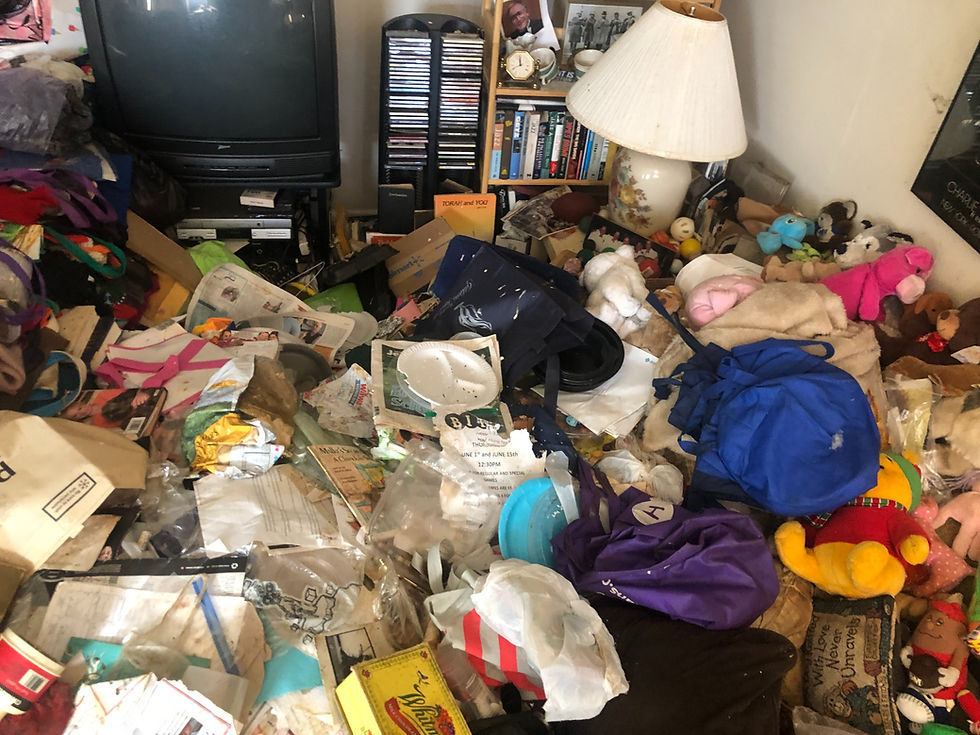
We've all seen the sensationalized TV shows—rooms piled high with newspapers, pathways snaking through collected items, the overwhelming urge to keep what others would discard. But hoarding disorder is far more than a quirky character trait or a simple lack of organization. It's a complex mental health condition with serious, often invisible, risks that extend far beyond the cluttered space to impact safety, health, and well-being.
This isn't about judgment; it's about compassion and awareness. Understanding these dangers is the first, crucial step toward seeking help or supporting a loved one.
Beyond the Mess: The Real Risks You Can't Always See
1. The Tripping Hazard That's a Life Hazard
The most immediate danger is physical. Narrow pathways between stacks of belongings become treacherous. Falls are the leading cause of injury-related death for adults over 65, and a hoarded home dramatically increases this risk. A fall in a cluttered space can mean being trapped, unable to reach a phone, with help unable to reach you.
2. The Invisible Air You Breathe
Hoarded homes often have poor air quality. Piles of items trap dust, mold, and allergens. Expired food, rodent droppings, and insect infestations are common, releasing harmful particles and bacteria into the air. This can trigger severe asthma attacks, allergic reactions, and chronic respiratory issues for everyone living in the home.
3. The Ticking Time Bomb: Fire
This is arguably the gravest danger. Excessive clutter acts as both fuel and a fire blocker.
Fuel: Newspapers, magazines, cardboard, and old fabrics are highly flammable.
Blocker: It prevents escape and hinders firefighters. Exits are blocked, windows inaccessible, and firefighters cannot move through the home safely or effectively. Fires in hoarded homes spread faster, are harder to extinguish, and are far more deadly.
4. Structural Damage: When the House Itself Suffers
The weight of accumulated items can exceed the floor's load capacity, leading to sagging or even collapse. Moisture from clutter or blocked ventilation can cause wood rot and mold growth within walls, compromising the home's very structure—a silent, expensive danger.
5. Sanitation and Health Code Violations
When sinks, tubs, and toilets become unusable due to clutter, and waste cannot be properly managed, it creates a biohazard. This leads to unsanitary conditions that can cause gastroenteritis, skin infections, and the spread of disease. It can also result in condemnation by local health or housing authorities.
6. Social Isolation and Mental Health Spiral
The dangers aren't only physical. The shame and embarrassment associated with hoarding lead to profound isolation. Individuals may refuse to let anyone in, including family, repair workers, or medical professionals. This loneliness exacerbates the underlying anxiety and depression, creating a vicious cycle that makes the condition harder to address.
7. Neglect of Self and Others
In severe cases, basic self-care becomes impossible. Cooking, cleaning, personal hygiene, and managing medications are neglected. For those who care for children, elderly parents, or pets, this neglect can extend to them, putting vulnerable dependents at serious risk.
Why Cleaning Alone Isn't the Answer
The instinct of a concerned family member is often to "just clean it out." This approach can be deeply traumatic and is almost always counterproductive. Forced cleanouts without addressing the root cause can lead to:
Extreme psychological distress for the individual.
A very high rate of relapse, as the compulsive behaviors return to cope with the trauma of loss.
Shattered trust, making future help-seeking less likely.
The Path Forward: Compassionate Intervention
Recognizing these dangers is not about assigning blame. It's about motivating compassionate action. Effective help requires a multi-pronged approach:
Professional Mental Health Support: This is the cornerstone. Treatment like Cognitive Behavioral Therapy (CBT) specifically adapted for hoarding disorder is essential to address the thoughts and behaviors driving the compulsion.
Professional Organizing & Cleanout: Specialized organizers and cleanout services trained in hoarding-specific protocols work slowly, with respect and at the individual's pace. They collaborate with therapists, focusing on harm reduction rather than perfection.
Community Support: Support groups (in-person or online) like those through the International OCD Foundation (IOCDF) reduce shame and provide peer understanding.
Medical Evaluation: A check-up can address health issues worsened by the environment and rule out other medical causes.
If You're Concerned for a Loved One
Start with empathy, not ultimatums. Use "I" statements: "I'm worried about you slipping on these papers," or "I love you and I'm scared about what would happen if there was a fire." Offer to help them find a therapist who specializes in hoarding disorder. The goal is to be a partner in seeking safety and health, not an adversary enforcing order.
Final Thought
The "hidden dangers" of hoarding are very real—from fire and falls to crushing isolation. But within that understanding lies hope. Hoarding disorder is treatable. By moving past stigma and toward evidence-based support, we can help clear not just the physical clutter, but the path to recovery, safety, and reconnection.
Resources:
International OCD Foundation (IOCDF) - Hoarding Center: https://hoarding.iocdf.org/
National Alliance on Mental Illness (NAMI) Helpline: 1-800-950-NAMI (6264)
American Psychological Association (APA) Therapist Locator


Comments